

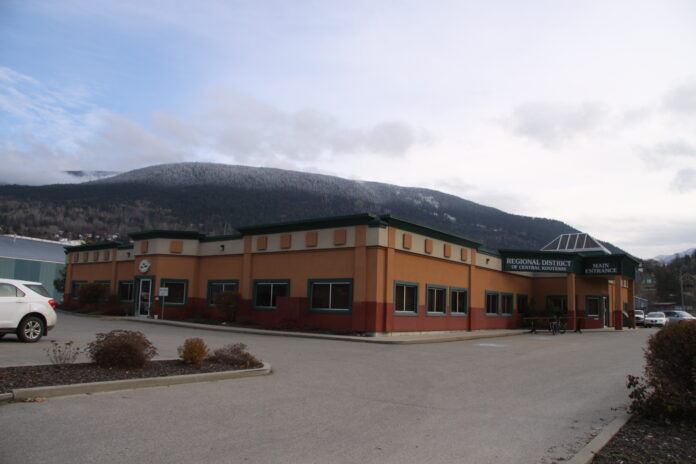

Drones could soon become part of the Regional District of Central Kootenay’s mosquito control program in the Meadow Creek and Pine Ridge areas.
Directors received the programs 2025 annual report during Thursday’s board meeting. The program has been operating since 2012 in a portion of Electoral Area D and the Pine Ridge community south of Kaslo.
The program is currently delivered by Morrow BioScience Ltd., with 2025 marking the fourth year of the company’s five-year contract.
A staff report said the program focuses on treating mosquito larvae in flood-prone areas along the Duncan River and north Kootenay Lake before they develop into adult mosquitoes.
During the 2025 season, the program focused on monitoring, managing and mitigating nuisance mosquito populations, primarily floodwater and snowmelt species.
Staff said water levels, snowpack and freshet conditions can all affect mosquito populations from year to year, with 2025 seeing reduced mosquito development compared to high-water years.
Approximately 77.5 hectares were treated during the 2025 season using the a microbial larvicide product containing Bacillus thuringiensis var. israelensis (Bti) – which the report said attacks the mid-gut receptors in mosquito larvae with a toxin protein that is not toxic to any other species except black flies.
The treatment was applied primarily through ground applications, while one helicopter application was conducted in Meadow Creek. Aerial applications are used to treat large areas, locations inaccessible by foot and areas with high larval hatching activity.
The annual report said the contractor received seven mosquito-related calls or emails from residents during the season.
During Thursday’s meeting, Board Chair and Area D Director Aimee Watson said the program could eventually move away from helicopters and toward drone technology.
“So we currently rely on helicopters,” she said. “I think when I started, it was about $3,000 per aerial, and now it’s up to $12,000 to $13,000.”
Watson said helicopters can also be difficult to secure during the height of wildfire season.
“So the cost of aerials using helicopters, as well as the fire seasons, drastically impacted the ability to provide the program. And also, from a climate change perspective, it’s really not efficient.”
She said Morrow BioScience has been working for several years to obtain approvals needed to use drones for mosquito control operations.
“Morrow Bioscience, who’s the contractor, has been working on their permitting to be able to use drones probably for four years now,” she said.
According to Watson, the RDCK wrote a letter of support for the company as it worked through regulatory requirements related to drone applications.
“We wrote a letter of support two years ago because the language issue on the labeling of the BTI was the main thing that was holding them up from getting a permit from the federal government. So it wasn’t about using the drones.”
Watson said the contractor could be in a position to move forward with drone applications as early as this year or next year.
“I think they will be able to move forward this year or next year,” she said. “They’re doing the training. And then yes, no more helicopters.”
She added that the approval process involves both federal and provincial requirements.
“It’s definitely jurisdictional. The holdup was the federal on the language, but yes, it’s provincial and federal.”
Want to get your business noticed? Have you considered advertising through your local radio station? Speak to one of our sales agents and find out how radio advertising can boost your business today. Call 250-365-7600 or email Vista Radio.