


The only road into the Incomappleux Valley could soon disappear, triggering a last-minute push to keep homes, businesses and public lands connected.
The B.C. government is expected to begin deactivating the Incomappleux Forest Service Road near Trout Lake in the coming weeks. A coalition of residents, property owners, recreation organizations, tourism operators and industry groups is urging the province to pause the work, arguing the move would permanently cut off the valley’s only vehicle access.
The coalition said it has spent months proposing alternatives, including stewardship agreements that would allow local groups to help maintain the road while addressing government concerns.
“Every time we communicate, we get a different response and we get more confused at what’s happening,” Public Land Use Society executive director Warren Mirko said.
“They’ve said this is a safety concern. We’ve said maybe we can help with that or find a solution. Then they go, ‘No, it’s actually a liability concern or it’s a money concern.'”
Mirko said repeated offers to help maintain the road through stewardship agreements have been rejected by the province.
“Every time we come back, the province says, no, we’re going to pull out these bridges, which is a near permanent deactivation.”
Stakeholders tour road
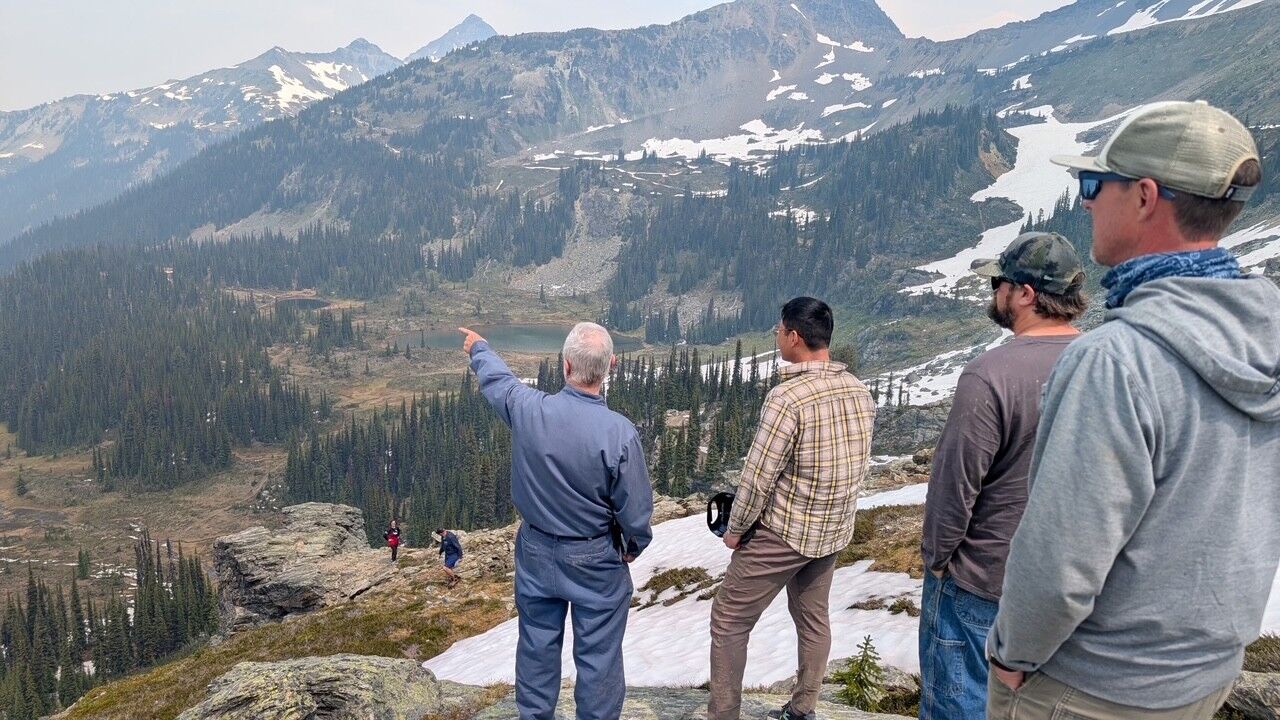
More than 70 residents, property owners, recreation groups, mining representatives, tourism operators and local government officials gathered near Trout Lake last week to tour the road and call on the province to halt its plans until it meets with stakeholders.
Kristen Parsons, executive director of ATV BC and the B.C. Powersports Dealers Association, said the turnout reflected how many people stand to be affected.
“The community of Trout Lake really depends on tourism and access to the backcountry. And this is greatly affecting that community,” she said.
Coalition members said provincial ministers and senior ministry officials were invited but did not attend.
Parsons said frustration dominated the start of the event as residents questioned why the province was moving ahead without proper consultation with those affected.
“We all had the same goal in mind, that we can work together and make this happen if we can just get that that missing party at the table, which is government.”
Access at stake
According to Mirko, removing the bridges would permanently eliminate vehicle access into the valley.
“The only way in is by road and the road has been blocked since 2019 but some of the residents have a way or have figured out how to get to their properties. But once the bridges are removed, that is a permanent deactivation of a road,” he said.
Mirko said the road provides access to more than 130 private properties, including about a dozen homes occupied year-round. It is also used to access recreation areas, mineral tenures, historic mine sites, environmental monitoring projects, mine remediation work, search and rescue operations and wildfire response.
He said many of the properties were originally sold by the province, which continues to collect property taxes from owners.
“It also collects taxes from private property owners and Crown grant holders in the area. So when you remove access, you essentially sterilize those properties, their value, and any ability to use them in any meaningful way,” he said.
Deactivation questioned
Mirko also questioned the province’s assessment of the bridges.
“The province has not shared engineering reports with our group, but one of these bridges appears to be brand new.”
Meanwhile, Parsons questioned the need to remove the bridges, saying participants on the tour noted only a short section of road requiring work.
“The road condition itself is exceptional considering it’s been shut down completely to vehicle traffic for over six years,” she said.
“Yes, there’s, you know, the first 400 metres. There’s an issue that needs to be addressed, but it can be addressed. It is more than capable of being done, it’s just whether or not government has an appetite to do it.”
Mirko added that the province’s explanation for the deactivation has shifted over time.
“This seems to be more of a liability concern from the government. Now, they’ve changed the goalposts in explaining to the stakeholder coalition what the reason is for deactivating that road,” he said.
“They have said that this is a forest service road, and when logging is complete in an area and the road no longer serves its initial intention, they can deactivate it. But this is not a Forest Service road. From our record analysis, it is a gazetted highway. It was not built as a Forest Service road.”
Mirko also fears the planned deactivation could complicate future environmental work in the valley.
“We have questions about how are you going to remediate the four historic mines that are there that contain dry tailings, arsenic, major equipment and buildings and materials?” he said. “All of that will be left behind with no way to be removed or remediated unless you have a road to get that out.”
Coalition seeks pause
Parsons said the coalition will continue pushing for a meeting with Forests Minister Ravi Parmar while encouraging residents to contact local MLAs.
“This is a slippery slope. Our backcountry is being shut down without any willingness to work with the people. And I feel like that’s a lost opportunity. We need to get to the table,” she said.
The coalition is calling on the province to immediately pause the deactivation, meet directly with affected stakeholders and consider alternatives that would maintain access while addressing safety concerns.
The Ministry of Forests has been asked for comment.
Want to get your business noticed? Have you considered advertising through your local radio station? Speak to one of our sales agents and find out how radio advertising can boost your business today. Call 250-365-7600 or email Vista Radio.