


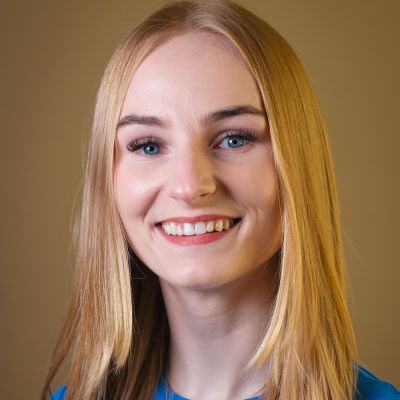
The political landscape in Victoria is changing, and Nelson Mayor Janice Morrison is preparing to make sure the city’s priorities remain on the provincial agenda.
Morrison publicly endorsed NDP incumbent Brittny Anderson during the provincial election campaign. Anderson held Kootenay Central, but will now represent the riding from the opposition benches as the B.C. Conservatives form government.
Morrison said she was not surprised by the election outcome, arguing outgoing premier David Eby made a mistake by calling the election.
“I think that David Eby got some bad advice, or maybe he got some advice and chose not to accept it. I think it was a mistake on the part of the then premier to make the call for an election,” Morrison said.
As the new government prepares to take office, Morrison said it remains to be seen how campaign promises will translate into policy.
“It’s a bit of wait and see at this point,” she said, noting it can be difficult for governments to deliver on campaign promises once they see the books and understand the financial challenges they face.
Morrison pointed to housing policy as one area where she sees potential for a change in direction under the new government.
She said provincial requirements around housing density have sometimes conflicted with Nelson’s vision for how the community should grow, although the city has since incorporated those requirements into its official community plan.
Morrison hopes the Conservatives will take a less uniform approach across the province, giving communities more say in how they develop.
“I think there’ll be overall a little bit of a reduction on that sort of one-size-fits-all British Columbia,” she said.
“We know what we want here in Nelson. We know where we want density. We know what we want our community to look like.”
Morrison also wants the incoming government to address what she describes as a growing infrastructure deficit facing municipalities across the province.
She raised concerns about the Conservatives’ proposal to reduce development cost charges (DDC’s), which she explained helps municipalities pay for the infrastructure needed to support growth.
Nelson does not currently collect the fees, but Morrison said the city has discussed potentially introducing them in the future.
She questioned how other municipalities would replace that revenue if the charges were reduced.
“The concept there is ‘growth pays for growth’,” Morrison said. “So those charges on development pay for the infrastructure for new development, and if suddenly a municipality can’t be making those charges, they can’t have the income from the DCCs, so who’s gonna make up the infrastructure deficit?”
With Anderson now in opposition, Morrison acknowledged the MLA’s role in advocating for Nelson will change. However, she said the city will continue building relationships with the provincial government regardless of which party holds power.
“Nelson’s always been very good about building relationships, and that’s what we’re gonna do,” she said.
“We’re resilient and we will make sure that we build strong relationships with this incoming government to make sure that Nelson stays really resilient.”
Morrison also criticized the timing of the provincial election, which overlapped with the municipal election campaign and voting.
“People didn’t like this call of an election, so they voted with their feet and in this case, they didn’t leave home, they stayed at home, and they didn’t cast a vote,” she said.
She said the overlap created confusion for voters, with provincial and municipal voting taking place at different locations and on different dates. It also overshadowed the work of local candidates.
“It really overshadowed the work we are trying to do as a local government, and that’s just not acceptable,” Morrison said.
She hopes the incoming government follows through on its proposed Respect Local Democracy Act, which would prevent provincial and municipal elections from overlapping.
Morrison said local government representatives had unanimously called on Eby not to call a provincial election before the municipal vote, but their request was not followed.
“When we were at UBCM and we’d heard that this was going to maybe happen, we had a unanimous resolution on the floor asking the premier not to call an election until after we had the local one,” she said.
Morrison hopes the proposed legislation will help ensure local elections receive the attention they deserve when residents next head to the polls in October 2030.
“Let’s hope if, if the only policy that the next government gets through, let it be that one so that people can be able to make informed decisions about who and what they’re voting for come 2030.”
Be the first to know! Don’t miss out on breaking news and daily updates in your area. Sign up to MyNelsonNowNews Alerts.